Introduction

A little preparation. A more confident winter.

Shorter days, wetter fields and changes in turnout can affect your horse’s feeding, movement and daily routine. A winter check-in helps you notice what has changed and decide where adjustments may be useful.

Winter doesn’t automatically mean more bucket feed or heavier rugs. The right approach depends on your horse’s condition, health, workload, coat, environment and access to forage and shelter.

Start with the horse in front of you. Consider their needs alongside your grazing, facilities and the practicalities of daily care.


Forage & whole ration balance

Start with forage

As grass availability or turnout changes, review what your horse is actually eating across the full day and night.

  • Weigh hay or haylage rather than judging by the size of a net.
  • Check what is eaten, wasted or left behind.
  • Consider forage quality, chewing ability and access.
  • Remember that hay and haylage contain different amounts of moisture, so their weights aren’t directly interchangeable.
  • Introduce changes gradually, including changes between forage batches where possible.

Forage provides nutrition and opportunities to chew and forage. If calorie control is needed, ask about suitable lower-calorie options and feeding arrangements that maintain appropriate fibre intake and avoid long periods without food.

Balance the whole diet

Review grazing, conserved forage, bucket feed, supplements and treats together.

A horse doing less work may need fewer calories while still requiring adequate quality protein, vitamins and minerals. A horse losing condition may need more nutritional support—but unexplained weight loss should also be investigated.

Check feeding instructions and weigh your scoop. If you feed less than the recommended amount of a fortified feed, ask whether a suitable balancer or supplement is needed to cover nutritional gaps.

Use the button below to fill out our Feeding Advice Form.


Feeding advice form

Forage analysis and changes

Know what your forage supplies

Appearance and forage type cannot tell you everything about nutritional value. Hay, haylage and alternative forage sources vary in calories, protein and carbohydrate content.

Forage analysis can help you make informed choices, particularly when managing weight or following a veterinary feeding plan.

If your horse needs carbohydrate control, ask your vet or equine nutritionist to explain the results. Water-soluble carbohydrates (WSC), starch and non-structural carbohydrates (NSC) are related measures, but they aren’t interchangeable. Check what the laboratory has measured rather than relying on a general “sugar” description.

Review soaking and forage replacements

If soaking hay forms part of your horse’s feeding plan, seek advice before changing or stopping it. Soaking results vary, and the ration may need reviewing for nutrient provision as well as carbohydrate content.
Returning to dry hay also changes the moisture supplied by the diet. Plan changes gradually with your care team and monitor drinking, appetite and droppings.

Straw may be suitable as part of some carefully balanced rations, but it is not appropriate for every horse. Dental health, forage quality, introduction, quantity and the complete diet all matter.

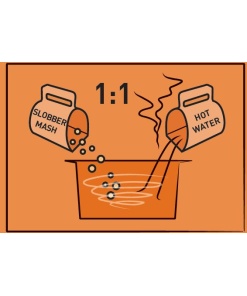
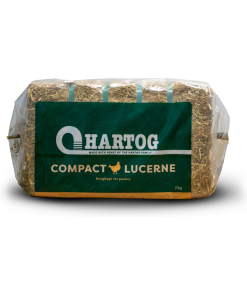
Follow preparation instructions for soaked feeds and forage replacements. A fibre mash or chaff should not be assumed to replace all hay or haylage unless it is suitable for that purpose and supplied in an appropriate amount.


Grazing and pasture

Look beyond the appearance of the field

A sparse-looking paddock doesn’t tell you exactly how much your horse is eating or what the grass contains. Review grazing alongside forage provision, body condition and health history.

  • Reassess access when moving between fields or changing turnout.
  • Check fencing, gateways, shelter and feeding areas.
  • Monitor whether every horse can reach forage and water without being pushed away.
  • Consider how wet ground, reduced grass cover or restricted turnout affects the daily routine.

Cold weather and short grass do not automatically make grazing suitable for horses with metabolic conditions or a history of laminitis. Follow the individual grazing plan agreed with your vet.

Hedges and trees can provide shelter. Natural or high-fibre material should not automatically be assumed low in sugar or nutritionally suitable.


Hydration

Keep water on your winter checklist

Horses may drink less during colder weather, while greater reliance on dry forage changes the moisture supplied by their diet.

  • Provide continuous access to fresh, clean water.
  • Check buckets, troughs and automatic drinkers regularly.
  • Remove ice and check that pipes and drinkers are working.
  • Make sure every horse can access water safely.
  • Watch for changes in drinking and droppings.
  • Some horses may prefer tepid water in cold weather.

Appropriately soaked feeds can add moisture to the ration, but they do not replace drinking water.

Reduced water intake can increase the risk of impaction colic. Contact your vet if reduced drinking is accompanied by fewer droppings, reduced appetite or discomfort.


Weight and body condition

Look beneath the winter coat

A thick coat and rugs can hide changes in condition. Use regular hands-on checks alongside weight records to build a clearer picture.

  • Remove rugs daily to check the horse underneath.
  • Assess body condition by feeling as well as looking.
  • Notice fat distribution, including the neck, behind the shoulders and around the tailhead.
  • Record weight using a weighbridge or weigh tape.
  • Use the same method and similar conditions for useful comparisons.
  • Take comparison photographs from consistent positions.
  • Note changes in feeding, turnout, workload or health alongside your records.

A weigh tape estimates weight; it does not replace body-condition assessment or veterinary evaluation.

The aim is an appropriate condition for your individual horse. Ask for support with planned weight loss or weight gain rather than applying the same target to every horse.

Download your free horse weight tracker

Record the date, weight and measurement method, and follow changes on the accompanying graph.


Good doers and metabolic health

Weight is only part of the picture

For good doers, review calorie intake while continuing to meet nutritional and behavioural needs. Grazing, forage, bucket feed and treats all contribute.

Some horses with insulin dysregulation are not overweight. Equally, weight loss alone does not confirm that an existing metabolic problem has resolved.

If your horse has a history of laminitis, abnormal fat deposits or a diagnosed condition such as EMS or PPID, discuss feeding, grazing and monitoring with your vet and equine nutritionist.

  • Follow the individual management plan.
  • Review the complete ration and actual intake.
  • Arrange testing or follow-up when advised.
  • Ask before changing prescribed feeding or grazing arrangements.
  • Remember that laminitis risk does not disappear in winter.

A feed described as “low sugar” or “low starch” is not, by itself, proof that the complete diet is suitable for a particular medical condition.


Feeding Advice Form

Movement turnout and welfare

Support the routine beyond the feed bowl

Managing intake should still allow opportunities for appropriate movement, foraging, social contact and rest.

Keep routines reasonably consistent and consider what your horse can comfortably do within their health and management needs.

  • Provide safe turnout and movement wherever appropriate.
  • Allow suitable social contact.
  • Review forage access during longer periods indoors.
  • Keep stables well ventilated, with clean, dry bedding.
  • Check legs, skin and hooves daily.
  • Adapt enrichment and feeding arrangements to the individual.

Make the environment work

Review muddy gateways, feeding areas and approaches to water or shelter. Suitable surfaces, alternative access routes or changes to feeding locations may help where conditions allow.

Track systems, grass-free areas and combined indoor–outdoor arrangements can suit some horses. They need secure boundaries, suitable footing and enough access to resources. Watch for bullying or food aggression; one setup will not suit every group.

Keep the feet at the centre of exercise decisions

Exercise can support an appropriate weight and metabolic management plan, but it must match soundness, fitness and medical history.

Speak to your vet before starting or increasing exercise in a horse with current or previous laminitis or foot pain.


Rugging and shelter

Rug for your horse’s needs

Consider coat, clipping, age, condition, health, shelter and exposure to wet or windy weather when deciding whether your horse needs a rug.

Some healthy, unclipped horses cope well without one when they have suitable forage and shelter. Others need additional protection.

  • Check comfort beneath the rug.
  • Remove rugs daily and inspect for rubbing or sweating.
  • Check fit and keep wet rugs from remaining against the horse.
  • Reassess as weather and management change.
  • Avoid choosing rug weight solely by how cold you feel.

Rugging and clipping decisions should protect comfort and welfare. Do not deliberately leave a horse cold or uncomfortable as a weight-loss strategy.


Older horses

Give older horses an individual check-in

Age alone doesn’t determine feeding needs. Dental health, comfort, body condition and medical history are more useful guides.

Watch for slower eating, dropped feed, difficulty chewing forage, reduced appetite or unexplained weight loss.

Check that your horse can comfortably reach food and water and has time to eat without competition from companions.

Where chewing becomes difficult, suitable fibre replacements may help. Their texture, preparation and amount must match the horse’s needs and preserve adequate forage provision.

Quality protein remains important, and older horses may still require a controlled-carbohydrate ration. Don’t assume every senior feed, chaff or mash is suitable simply because of its name.

Seek advice about persistent weight loss, eating difficulties or changes in comfort rather than only increasing the feed.


Routine health care

Keep the wider care plan in view

Feeding works alongside dental, veterinary and hoof care.

Use your winter review to check whether routine appointments, medication reviews or individual health assessments are due.

Include a tailored parasite-control plan. Routine faecal egg counts do not answer every parasite question, so ask your vet which tests and treatments are appropriate.

If your horse’s appetite, condition or ability to eat changes, consider whether pain, dental problems or another health issue needs investigation.

Share clear feeding and care instructions with anyone helping you, so the routine stays consistent.


Feeding Advice form


Quick Check List

Your winter routine at a glance

□ Suitable forage is available across the daily routine.

□ The complete ration matches current needs and workload.

□ Fresh water is accessible and being consumed.

□ Grazing arrangements suit the horse’s health and condition.

□ Weight and body condition are monitored consistently.

□ Rugs are removed daily and comfort is checked.

□ Movement, social contact, shelter and rest are considered.

□ Feet, teeth and routine health care are up to date.

□ Changes in appetite, droppings, behaviour or movement are recorded.

□ Everyone involved knows the feeding and care plan.

Review again when forage, weather, workload, turnout or health changes.


Let’s look at your horse’s winter routine

Unsure whether your feeding plan still fits?

Tell the Animals First team about your horse and what you would like help with. We can help you explore feeding options and identify when further professional input would be useful.

Please include:

  • Age, approximate weight and current body condition.
  • Any recent weight or condition changes.
  • Workload, turnout and stabling arrangements.
  • Forage type and approximate amount.
  • Current feeds and supplements, including quantities.
  • Relevant medical conditions and veterinary advice.
  • Eating difficulties or a history of choke.
  • Your main feeding question.

For individual feeding support, please provide as much detail as you can. Website enquiries are not an emergency service.


Know when to contact your vet

Seek veterinary advice for unexplained weight loss, persistent appetite changes, difficulty chewing or swallowing, or significant changes in drinking or droppings.

Contact your vet urgently for suspected colic, choke or laminitis, including new foot soreness or reluctance to move. Do not wait for a website response.

Small checks. Consistent care.

Your horse’s needs may change throughout winter. Keep observing, record the changes and review the plan with the people involved in their care.

Animals First is here to help you make informed feeding choices, with the individual horse at the centre.